
Aretha Franklin – The Extraordinary Life and Enduring Legacy of the Unmatched “Queen of Soul”
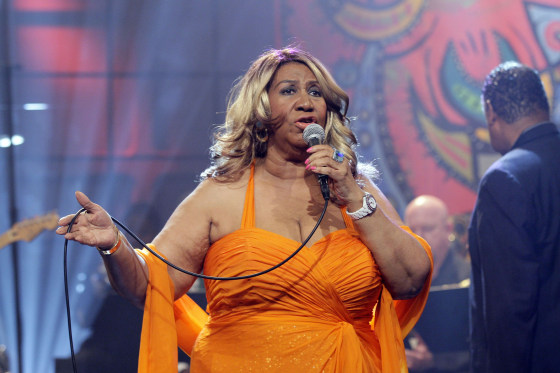
Aretha Franklin, born on March 25, 1942, in Memphis, Tennessee, and raised in Detroit, Michigan, is widely regarded as one of the greatest vocalists in the history of modern music. Known across the globe as the “Queen of Soul,” she possessed a voice of extraordinary power, emotional depth, and spiritual resonance. With iconic hits such as “Respect,” “(You Make Me Feel Like) A Natural Woman,” “Think,” “Chain of Fools,” and “I Say a Little Prayer,” Franklin reshaped American music and culture, leaving behind an unparalleled legacy.
Throughout her life, Aretha Franklin transcended genres—mastering gospel, soul, R&B, jazz, pop, and blues. She won 18 Grammy Awards, earned the first-ever Grammy Lifetime Achievement Award, and became the first woman inducted into the Rock & Roll Hall of Fame in 1987. Her music, activism, and unmistakable voice continue to inspire generations long after her passing in 2018.
Early Life – A Childhood Immersed in Music and Faith
Aretha Louise Franklin was born into a deeply musical and spiritual household. Her father, Reverend C.L. Franklin, was a celebrated Baptist preacher known for his charismatic sermons and his association with prominent civil rights leaders. Her mother, Barbara Siggers Franklin, was a gifted gospel singer.
Growing up in Detroit, Aretha was surrounded by gospel music and frequently accompanied her father on church tours. Her home became a gathering place for influential musicians such as Mahalia Jackson, Sam Cooke, and Clara Ward. These early experiences nurtured Franklin’s profound connection to music, faith, and community.
Tragedy entered her life early when her mother passed away in 1952. Despite the emotional loss, young Aretha continued developing her talent, learning to play piano by ear and practicing tirelessly. Her voice, even at a young age, stunned audiences with its soulful depth and mature emotional expression.
By age 14, Aretha had released her first gospel album, “Songs of Faith.” Her journey as a prodigy and future icon had officially begun.
Transition to Secular Music – A New Era of Artistic Growth
In the late 1950s, Aretha Franklin decided to pursue a career in secular music, following the path of Sam Cooke, who had encouraged her to broaden her reach. With her father’s support, she moved to New York and signed with Columbia Records in 1960 at just 18 years old.
While Aretha recorded jazz, pop, and standards with Columbia, the label struggled to fully showcase her gospel-rooted power. Despite moderate chart success, she had not yet found the musical direction that would define her career.
Everything transformed when she signed with Atlantic Records in 1966.
The Atlantic Records Breakthrough – The Birth of the “Queen of Soul”
Under producer Jerry Wexler, Aretha Franklin unlocked her full potential. The Atlantic team encouraged her to embrace her gospel upbringing, improvisational style, and emotional authenticity. The result was an explosion of groundbreaking music that reshaped American culture.
“I Never Loved a Man (The Way I Love You)” (1967)
This album marked her commercial breakthrough. Recorded in Muscle Shoals, Alabama, its raw, soulful sound introduced a new era in Franklin’s career.
The title track and “Do Right Woman, Do Right Man” became instant classics.
“Respect” – A Cultural Phenomenon
Originally written and recorded by Otis Redding, Aretha Franklin’s version of “Respect” transformed the song into a bold anthem of empowerment.
Her commanding vocals, rhythmic confidence, and addition of the iconic “R-E-S-P-E-C-T” spelling made the song synonymous with:
the civil rights movement
the women’s liberation movement
the demand for dignity and equality
“Respect” became one of the most important songs of the 20th century.
A Rapid Stream of Hits
Following “Respect,” Franklin released a series of chart-topping singles that solidified her title as the “Queen of Soul”:
“Chain of Fools”
“Think”
“(You Make Me Feel Like) A Natural Woman”
“I Say a Little Prayer”
“The House That Jack Built”
Her albums from this era—including “Lady Soul” and “Aretha Now”—are considered some of the greatest soul records ever made.
1970s and 1980s – Reinvention and Continued Dominance
Aretha Franklin continued to evolve as an artist throughout the 1970s. While soul remained her foundation, she embraced pop, jazz, and funk influences. She recorded memorable albums like “Spirit in the Dark,” “Young, Gifted and Black,” and “Amazing Grace,” the latter becoming one of the best-selling gospel albums of all time.
“Amazing Grace” (1972)
Recorded live in a Los Angeles church, this album showcased Aretha’s spiritual depth and vocal mastery. It remains a landmark recording in gospel music and one of the most powerful vocal performances ever captured.
1980s Revival and Pop Success
Aretha enjoyed a strong resurgence in the 1980s after signing with Arista Records. Collaborating with Clive Davis, she produced major hits including:
“Jump to It”
“Freeway of Love”
“Sisters Are Doin’ It for Themselves” (with Eurythmics)
“I Knew You Were Waiting (For Me)” (a duet with George Michael that reached No. 1)
Her cameo in “The Blues Brothers” (1980), where she performed “Think,” introduced her music to a new generation and cemented her influence in popular culture.
Awards, Honors, and Record-Breaking Achievements
Aretha Franklin’s award list is extraordinary and includes:
18 Grammy Awards
Legend and Lifetime Achievement Grammys
Rock & Roll Hall of Fame inductee (first woman ever honored)
Presidential Medal of Freedom
Kennedy Center Honors
Billboard’s Top Female Artist of All Time (2010 listing)
Her voice—powerful, emotive, and unmistakably her own—placed her at the top of Rolling Stone’s lists of the Greatest Singers of All Time.
Activism and Cultural Impact – A Voice for Equality
Aretha Franklin used her platform to support civil rights, women’s rights, and social justice. Raised in a politically engaged household, she often performed at benefits for the Civil Rights Movement and maintained close ties with leaders like Dr. Martin Luther King Jr.
She famously offered to post bail for activist Angela Davis, demonstrating her commitment to justice and equality.
“Respect” and “Think” became anthems for empowerment, influencing activists, artists, and audiences worldwide.
Personal Life – Triumphs, Challenges, and Resilience
Aretha Franklin’s personal life included moments of success and hardship. She became a mother at a young age, faced emotional struggles, and dealt with health issues throughout her life. Despite personal challenges, her resilience and commitment to her craft never wavered.
Her family, faith, and love of music remained central to her identity.
Later Years – Honoring a Lifetime of Excellence
Even in her later years, Aretha Franklin continued to perform at major events, including:
President Barack Obama’s inauguration (2009)
The Kennedy Center Honors (2015), where her rendition of “Natural Woman” brought the audience to tears
She released critically acclaimed albums such as “A Woman Falling Out of Love” (2011) and “Aretha Franklin Sings the Great Diva Classics” (2014).
Aretha Franklin passed away on August 16, 2018, at age 76. Her death marked the loss of one of the greatest musical talents the world has ever known.
Legacy – The Immortal Queen of Soul
Aretha Franklin’s legacy is monumental and everlasting. She paved the way for countless artists, including Whitney Houston, Beyoncé, Alicia Keys, Adele, Jennifer Hudson, and Mariah Carey. Her influence reaches across genres—soul, R&B, gospel, pop, and jazz.
Her music continues to be a source of:
comfort
empowerment
inspiration
cultural identity
Her voice remains one of the greatest instruments in the history of recorded music.
Conclusion
Aretha Franklin’s life and career represent the pinnacle of artistic excellence. From her gospel roots to her reign as the “Queen of Soul,” she reshaped music with her unparalleled voice and emotional honesty. Her hits like “Respect” and “A Natural Woman” became not just songs but symbols of empowerment, strength, and cultural transformation.
Beyond her extraordinary talent, Franklin stood as a beacon of resilience, activism, and authenticity. Her contributions to music and social justice continue to impact the world long after her passing.
Aretha Franklin will forever remain the Queen of Soul—a timeless legend whose voice, spirit, and legacy will inspire generations to come.