
Barbra Streisand – The Extraordinary Life and Legacy of America’s Legendary Voice
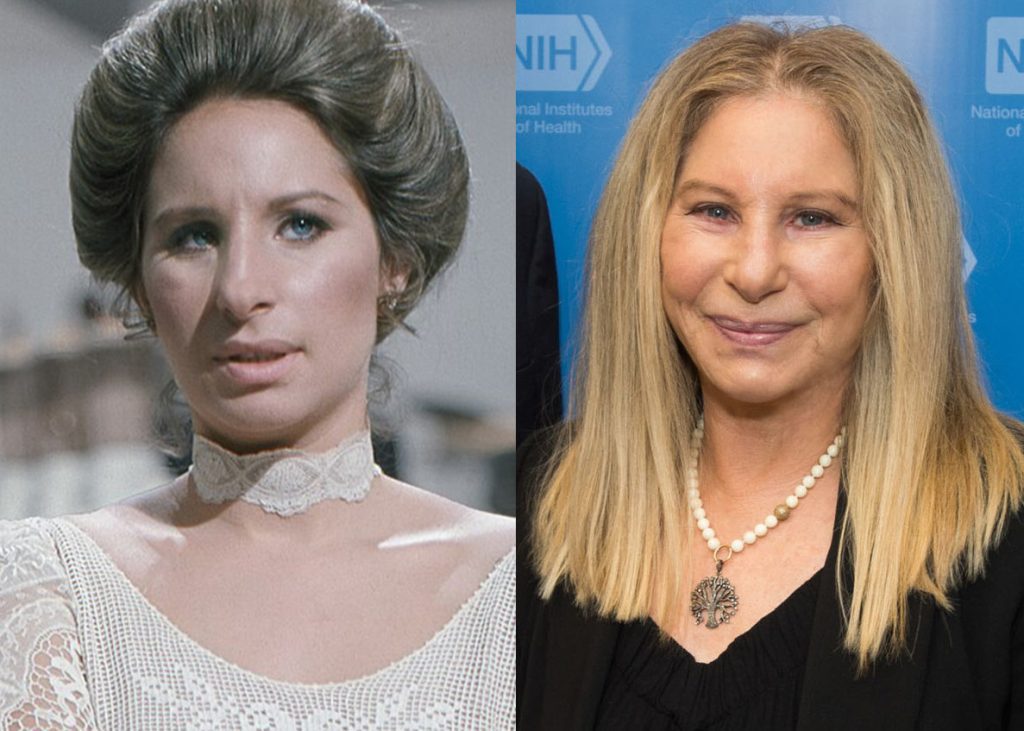
Barbra Streisand, born Barbara Joan Streisand on April 24, 1942, in Brooklyn, New York, is widely regarded as one of the most gifted vocalists, actresses, and entertainers in American history. With a career spanning more than six decades, she has earned countless accolades, including multiple Grammy Awards, two Academy Awards, Golden Globes, Emmy Awards, and a Tony Award. Streisand’s powerful voice, artistic versatility, and bold individuality have made her a cultural icon whose influence extends far beyond the stage and screen.
Often described as one of the greatest voices of all time, Barbra Streisand has carved a unique place in modern entertainment. Her ability to master many disciplines—singing, acting, directing, producing, writing, and philanthropy—demonstrates an extraordinary level of talent and determination. Her journey from a modest childhood in Brooklyn to global superstardom is both inspiring and historic.
Early Life and Humble Beginnings
Barbra Streisand grew up in a working-class Jewish family in Brooklyn. Her father, Emanuel, passed away when she was only 15 months old, leaving her mother, Diana, to raise Barbra and her older brother alone. The loss deeply affected her childhood and helped shape the emotional depth that would later define her performances.
Although her mother discouraged her ambitions to become a performer, Barbra was determined. She attended Erasmus Hall High School, where she performed alongside future stars like Neil Diamond. Even as a teenager, her distinctive voice and dramatic presence captivated those around her.
Growing up with limited financial resources, Streisand viewed performance as both an escape and a calling. At 16, she moved out of her mother’s house with dreams of becoming an actress, though she faced numerous rejections early on. Her perseverance and unshakable self-belief ultimately paved the way for her remarkable rise.
The Early Career – From Club Singer to Broadway Sensation
Barbra Streisand first found success singing in nightclubs in New York’s Greenwich Village. Her unusual voice, comedic timing, and emotional intensity made her stand out immediately. By the early 1960s, she had developed a loyal following and gained attention from critics and industry professionals.
Her big break came when she was cast in the Broadway musical I Can Get It for You Wholesale (1962). Her performance as Miss Marmelstein earned her widespread acclaim and a Tony nomination. Audiences and critics were captivated by her charisma and powerful stage presence. It became clear that a major new star had arrived.
Shortly afterward, Streisand signed with Columbia Records. Her debut album, The Barbra Streisand Album (1963), won two Grammy Awards and introduced the world to her unique vocal style—rich, expressive, and technically flawless.
Breakthrough Success – “Funny Girl” and Hollywood Stardom
Streisand’s defining role came with the Broadway musical Funny Girl, where she portrayed comedienne Fanny Brice. Her performance was a triumph, capturing audiences with her humor, vulnerability, and extraordinary singing voice. The show’s iconic song “People” became one of her signature hits.
In 1968, she reprised her role in the film adaptation of Funny Girl, earning the Academy Award for Best Actress. This achievement marked the beginning of her legendary film career and cemented her status as Hollywood royalty.
Over the next decades, she starred in a series of highly successful films, including:
Hello, Dolly! (1969)
The Way We Were (1973)
A Star Is Born (1976)
Yentl (1983)
These films showcased her versatility not only as an actress but also as a singer and creative visionary.
A Star Is Born and Musical Influence
One of the most iconic moments of Streisand’s career came with the 1976 remake of A Star Is Born. In addition to starring in the film, she co-produced the project and co-wrote several songs. The soundtrack’s lead single, “Evergreen,” won an Academy Award for Best Original Song and a Grammy Award, further proving her exceptional talent as both a vocalist and songwriter.
Streisand’s musical catalog is vast and diverse, spanning pop, Broadway, classical, and jazz influences. She has released more than 35 studio albums, several of which achieved multi-platinum status. Her ability to interpret lyrics with emotional intelligence and technical mastery continues to inspire generations of singers.
Notably, Streisand remains one of the best-selling female artists in history, with over 150 million records sold worldwide.
Pioneering Work Behind the Camera
Beyond her achievements as an actress and singer, Barbra Streisand is a trailblazer behind the scenes. She became one of the first women in Hollywood to take creative control as a director, producer, and writer.
Her directorial debut, Yentl (1983), was groundbreaking. Streisand became the first woman to win the Golden Globe Award for Best Director. The film explored themes of identity, independence, and self-discovery, reflecting Streisand’s own journey in an industry dominated by men.
She later directed and produced acclaimed films such as:
The Prince of Tides (1991)
The Mirror Has Two Faces (1996)
Her work behind the camera demonstrated her commitment to meaningful storytelling and her refusal to be limited by traditional industry expectations.
Awards, Honors, and Record-Breaking Achievements
Barbra Streisand’s list of achievements is unparalleled. She is one of only a few entertainers to earn an EGOT, having received Emmy, Grammy, Oscar, and Tony Awards. In addition, she has been honored with:
The Presidential Medal of Freedom
Kennedy Center Honors
The National Medal of Arts
Dozens of industry and humanitarian awards
Streisand has held numerous chart records, including being the only artist with No. 1 albums in every decade from the 1960s to the 2010s. Her longevity and adaptability are unmatched, illustrating her unique ability to remain relevant across six decades.
Philanthropy and Social Advocacy
In addition to her artistic contributions, Streisand is a passionate advocate for social justice, women’s rights, and environmental causes. She founded the Barbra Streisand Foundation, which supports gender equality, climate research, community development, and civil liberties.
Her philanthropic work also includes major contributions to health and heart disease research. The Barbra Streisand Women’s Heart Center at Cedars-Sinai Hospital focuses on improving women’s cardiovascular health—a cause she has championed for years.
Streisand has consistently used her platform to speak out about political issues, cultural change, and the importance of empathy. Her dedication to humanitarian efforts has made her not only a celebrated entertainer but also a respected public figure.
Later Career and Continuing Influence
Even after decades of achievement, Barbra Streisand continues to record music, direct projects, and perform selective concerts. Her 2014 album Partners topped the charts, and she remains one of the few artists whose work consistently reaches No. 1 across multiple generations.
Streisand’s legacy also lives on through younger artists who cite her as a major influence. Her vocal control, dramatic interpretation, and emotional depth have shaped the careers of singers such as Céline Dion, Lady Gaga, Ariana Grande, and Idina Menzel.
More than just an entertainer, Streisand represents perseverance, artistic excellence, and the courage to defy expectations.
A Cultural Icon and Symbol of Authenticity
Throughout her life, Barbra Streisand has remained unapologetically herself. In an industry that often values conformity, she embraced her uniqueness—from her unconventional beauty to her powerful voice and bold personality. Her confidence and refusal to compromise have inspired millions to embrace their individuality.
She symbolizes:
The triumph of talent over adversity
The importance of creative independence
The power of storytelling through music and film
The impact of authenticity and self-acceptance
Her contributions to entertainment and society have made her one of the most important cultural figures of the 20th and 21st centuries.
Conclusion
Barbra Streisand’s life is a testament to extraordinary talent, resilience, and innovation. From her humble beginnings in Brooklyn to becoming one of the world’s most decorated performers, she has carved a path that few have ever matched. With her unmatched vocals, award-winning acting, groundbreaking directing, and passionate philanthropy, Streisand continues to influence both the arts and global culture.
Her achievements in music, film, and activism illustrate her unique ability to excel in every endeavor she pursues. More importantly, her dedication to authenticity, storytelling, and compassion resonates with audiences across generations.
Barbra Streisand is more than a legendary entertainer—she is a symbol of artistic excellence and human strength. Her legacy will continue to inspire future generations, reminding the world that true greatness comes from courage, creativity, and the willingness to be unapologetically yourself.